

Who we are
The History of Problems Anonymous Action Group (PAAG)
Origins and Early Mission (1960s–1971)
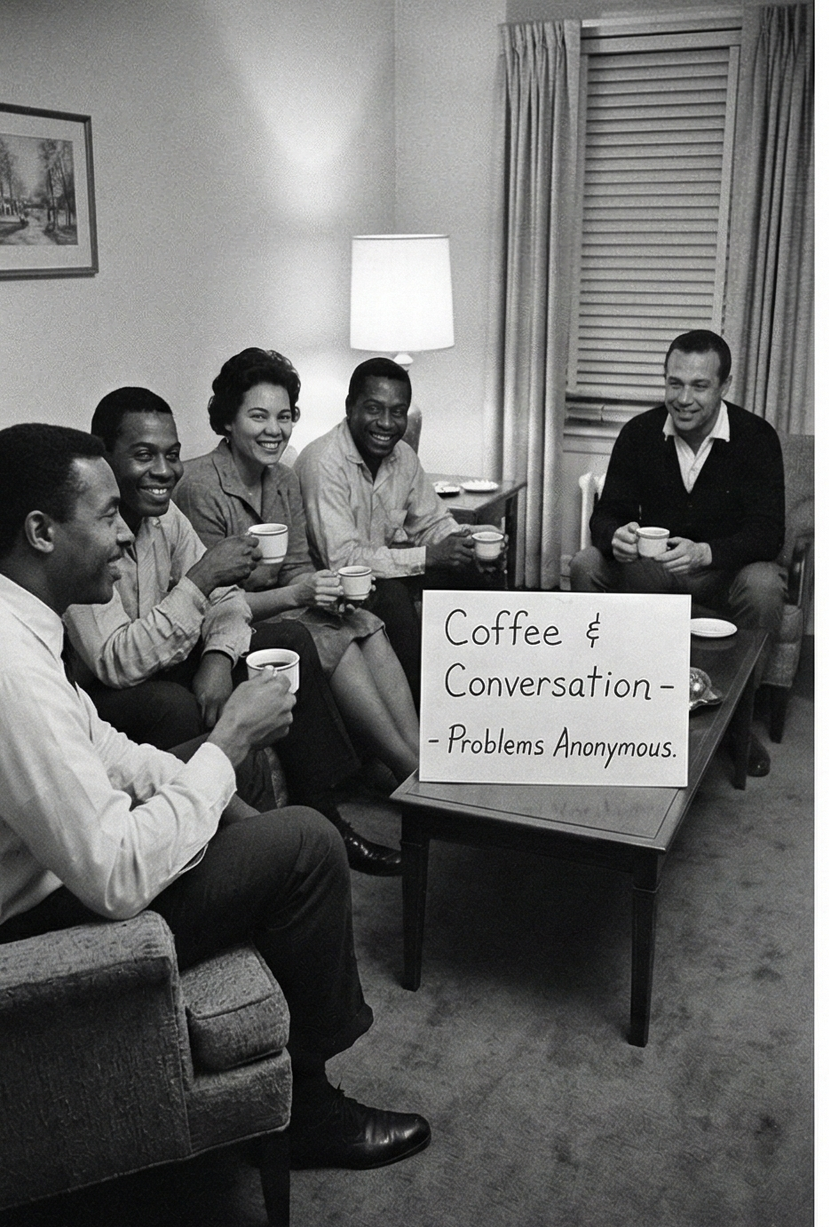
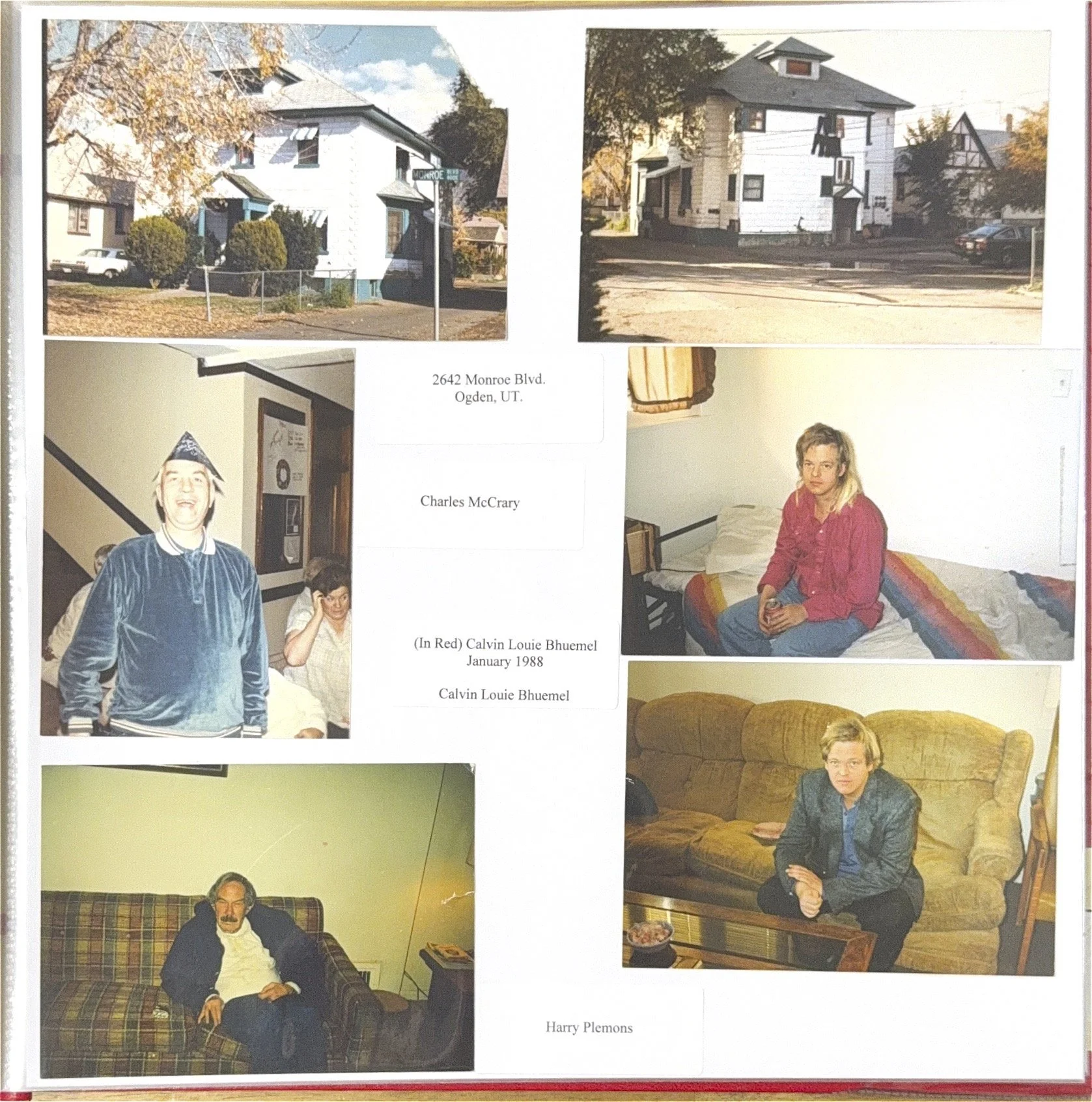
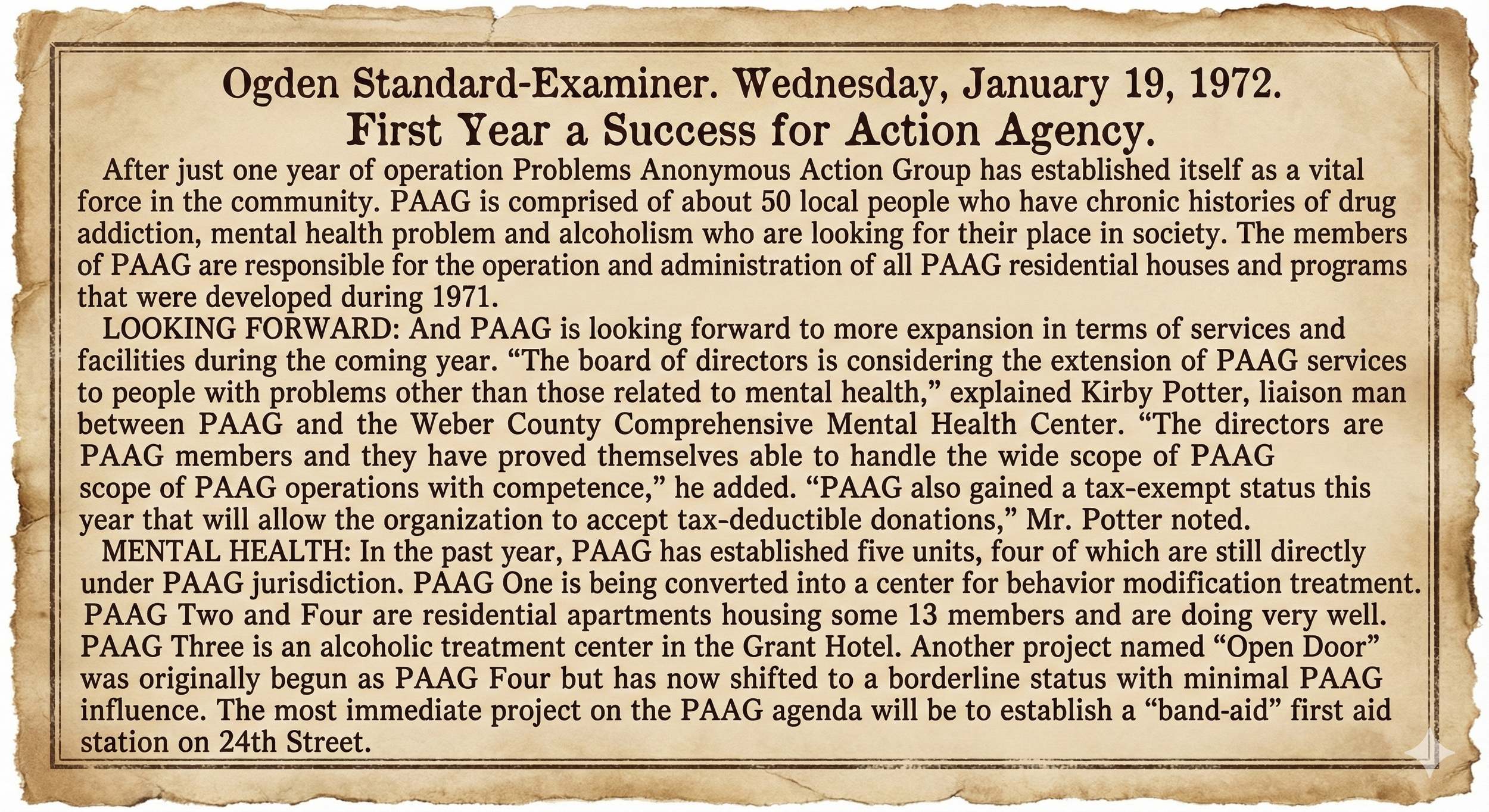
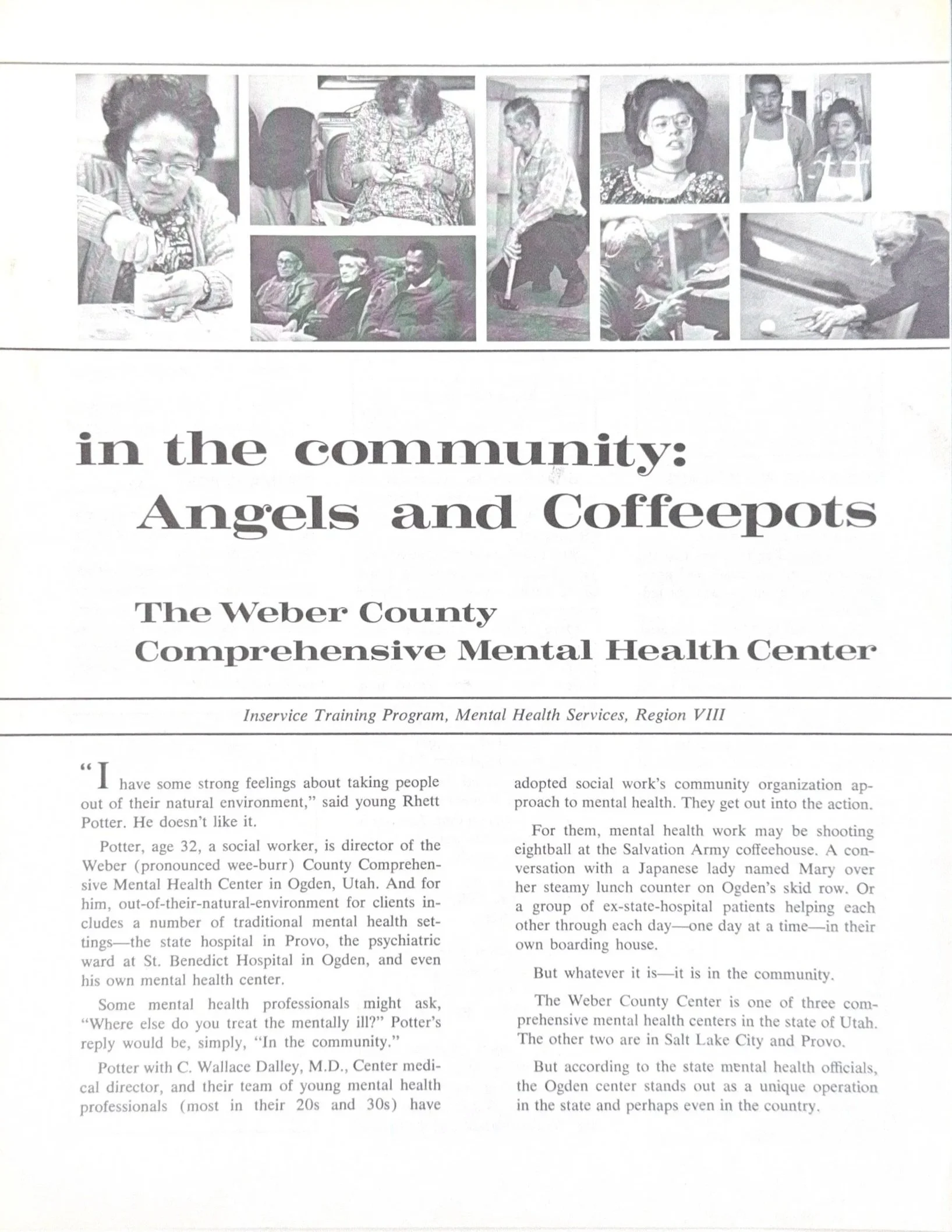
The roots of PAAG can be traced to the 1960s, when former patients of the Utah State Hospital began hosting informal "coffee and conversation" gatherings in their Ogden apartments. These get-togethers were born out of a need for socialization and mutual support among individuals who often faced isolation after leaving institutional care. The primary goal was to help each other avoid mental decompensation and a subsequent return to the hospital.
This spontaneous, consumer-led group was encouraged and supported by the Weber Mental Health Center (WMHC), which was established in 1970. WMHC administrators began providing funds to support these efforts, recognizing the value of local alternatives to prolonged inpatient care. The group's initial focus was on providing social support for "street" alcoholics and individuals with mental health diagnoses.
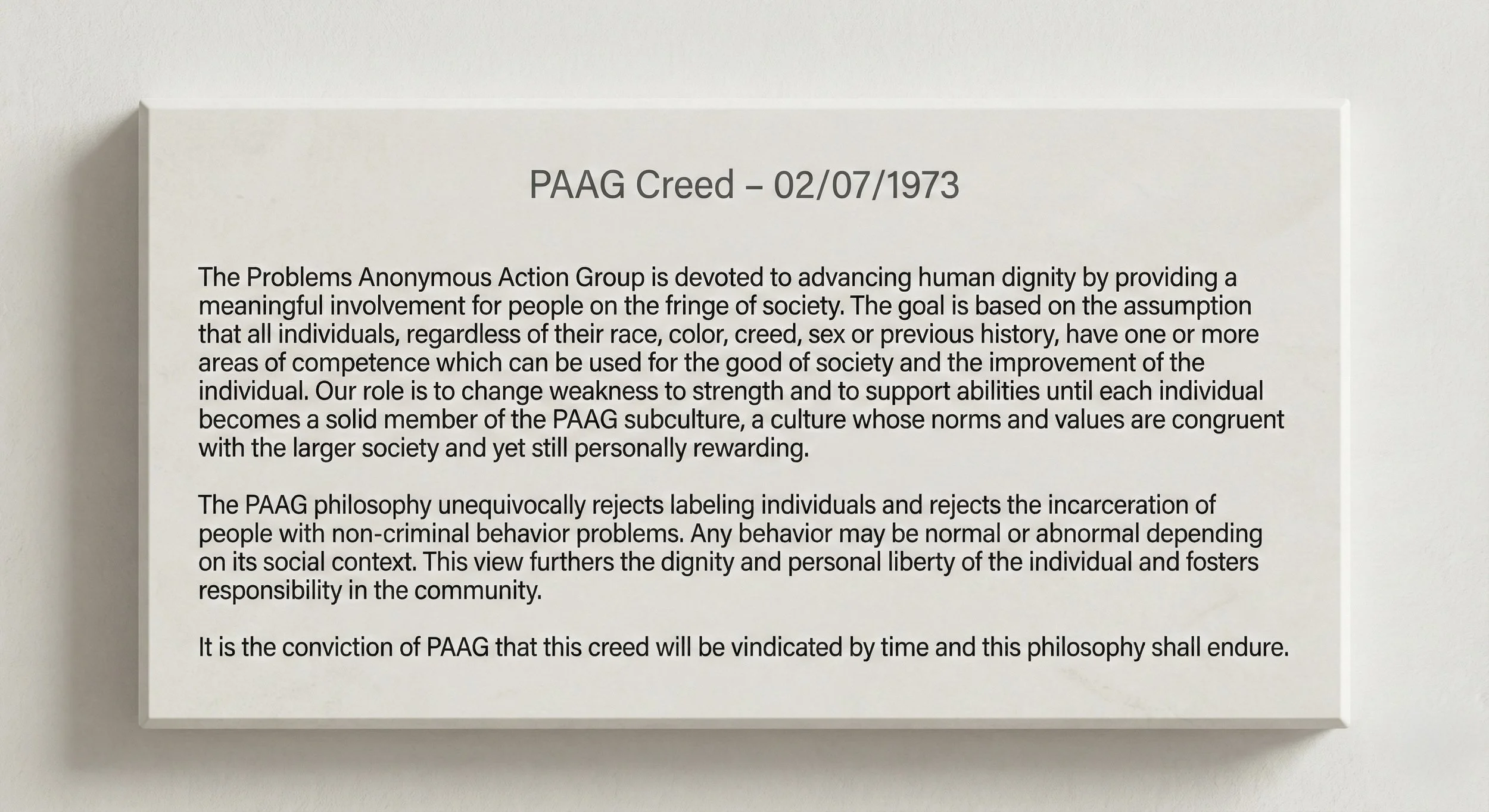
In December 1970, fifty interested consumers met and agreed to incorporate. PAAG was officially incorporated as a private, non-profit 501(c)(3) organization in 1971, with its creed penned that same year. As a private corporation, PAAG could set its own policies and govern its own activities while providing services to its members. The organization's Board of Directors was initially composed entirely of consumers of WMHC and PAAG services to ensure it remained responsive to its members' needs.
A vital part of Ogden's vibrant non-profit landscape.
“PAAG provides a community where people who are excluded, rejected, and ignored by the larger community are safe and valued.”












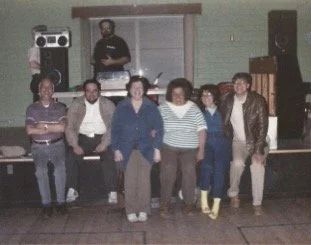


Evolution of Services: Housing and Work Approximation (1970s–1980s)
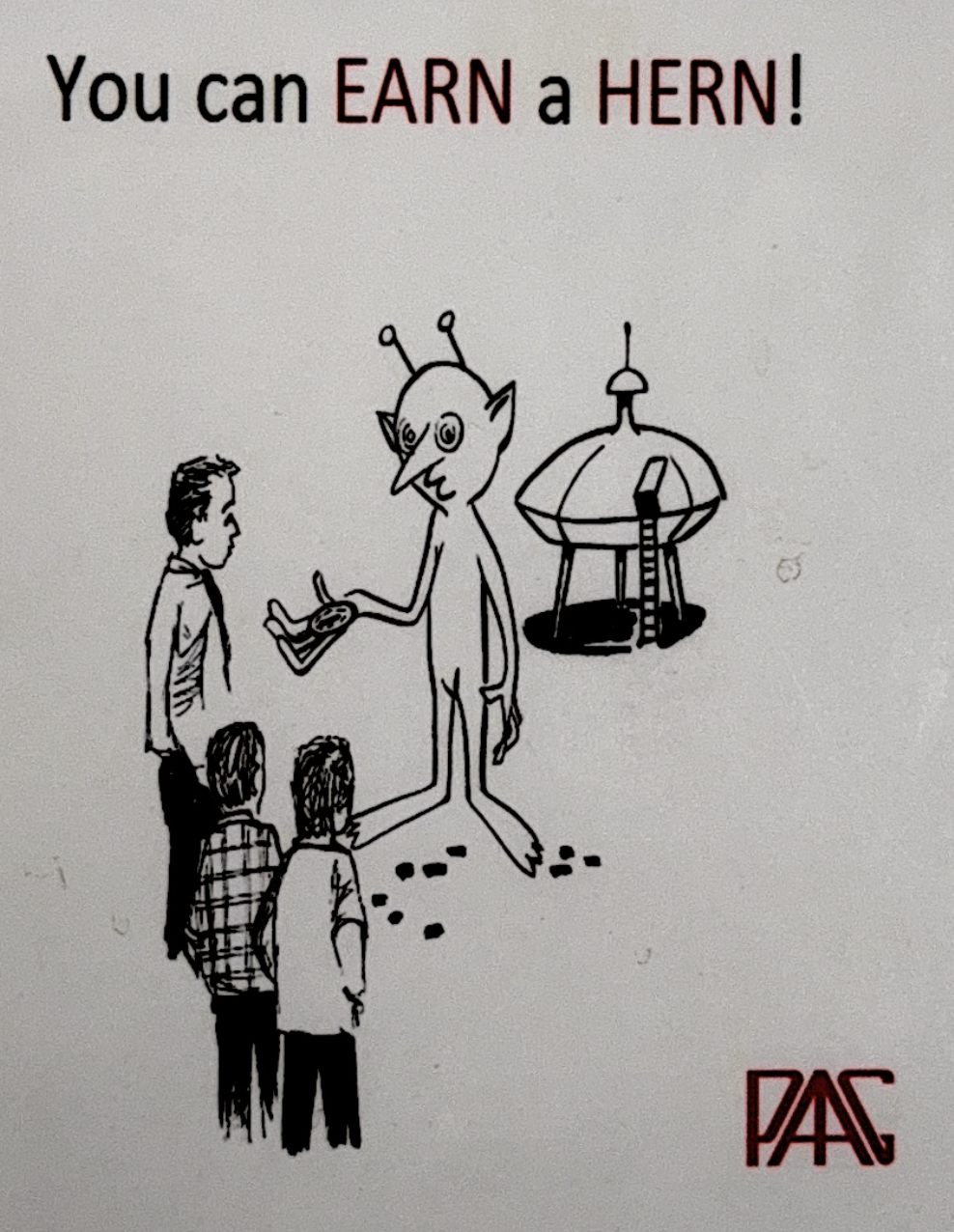
Shortly after its incorporation, PAAG expanded its mission beyond social support. It entered into a contract with Weber County through the mental health center to provide social and work-approximation activities for clients with serious and persistent mental illness (SPMI). The concept of "work approximation" became a key component of PAAG's supportive services. This program allows participants to earn access to PAAG's Drop-in-Center and meals by performing chores. They are compensated with behavioral tokens called "Herns," which can be exchanged for personal hygiene items, cleaning supplies, food, and clothing at PAAG's Trading Post or through partnerships with the LDS Church's Bishops' Storehouse and Deseret Industries. The Herns system was first instituted forty years ago in conjunction with programming at the Weber Mental Health Center.
PAAG also quickly recognized a critical need for housing among its clientele, who were often evicted from other rentals and deemed "unfit" or "inappropriate" tenants by local landlords. Many early tenants were caught in a "revolving door" of admissions and discharges from the Utah State Hospital. At the request of the Weber Mental Health Center, PAAG undertook the responsibility of providing housing.
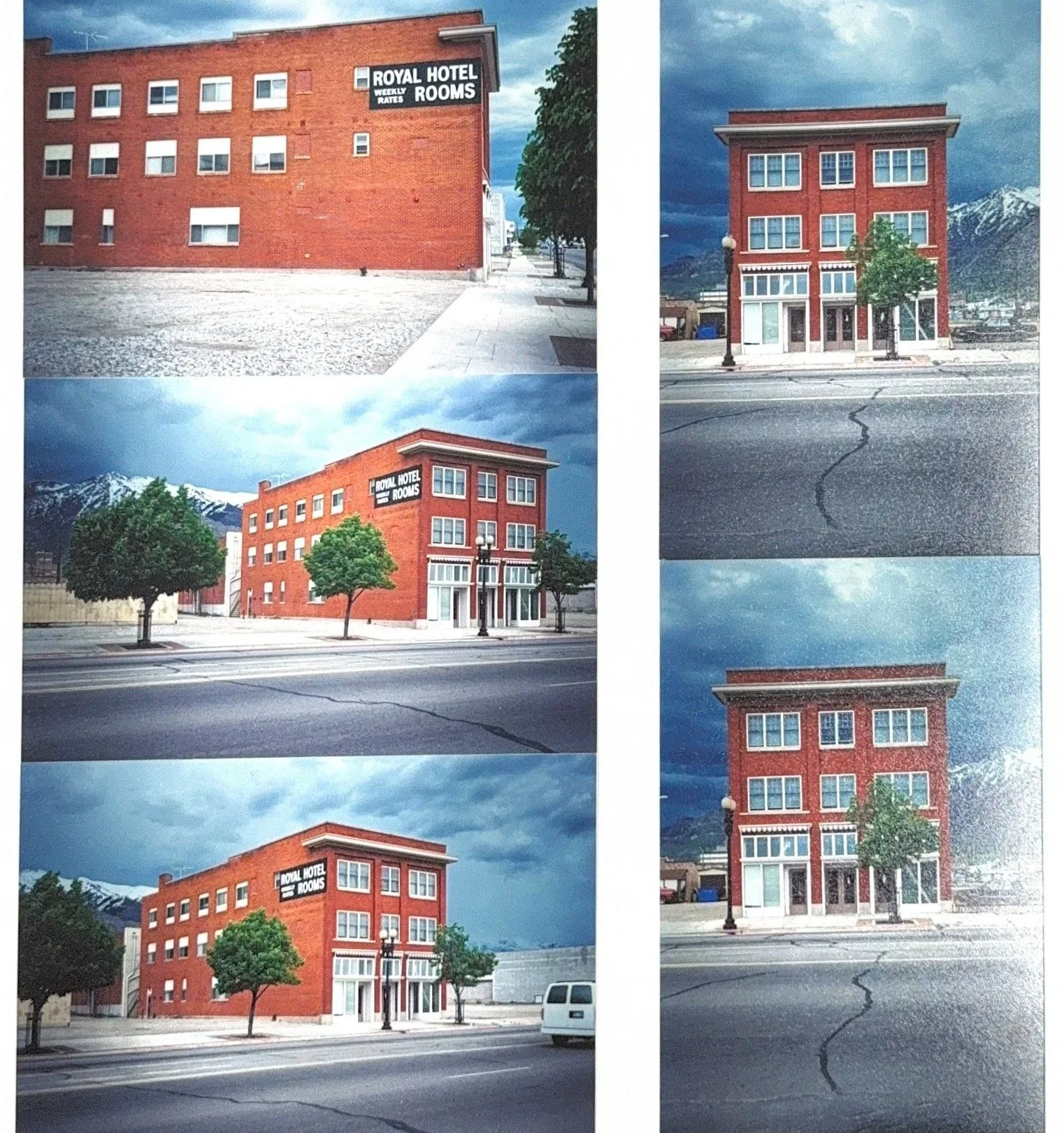
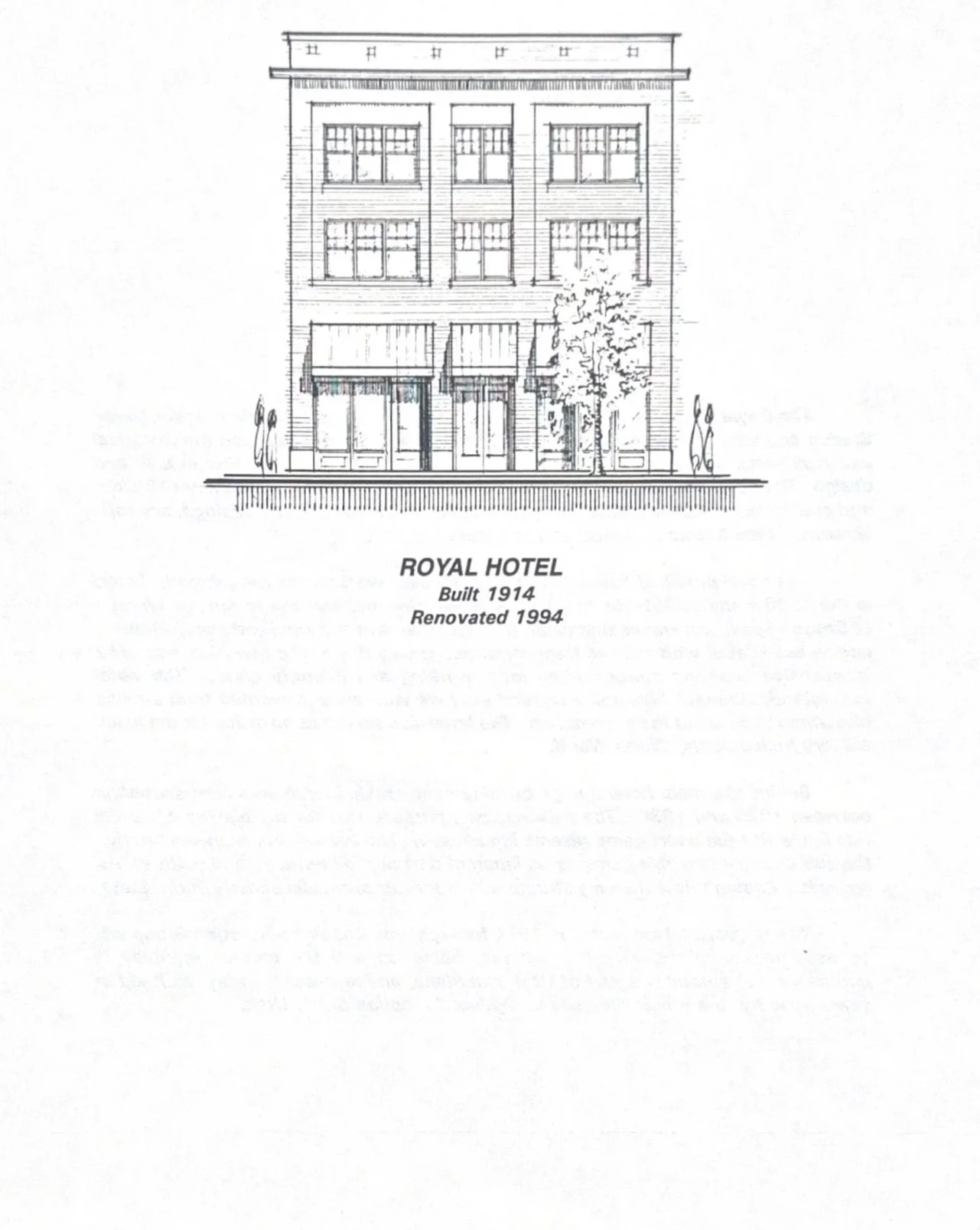
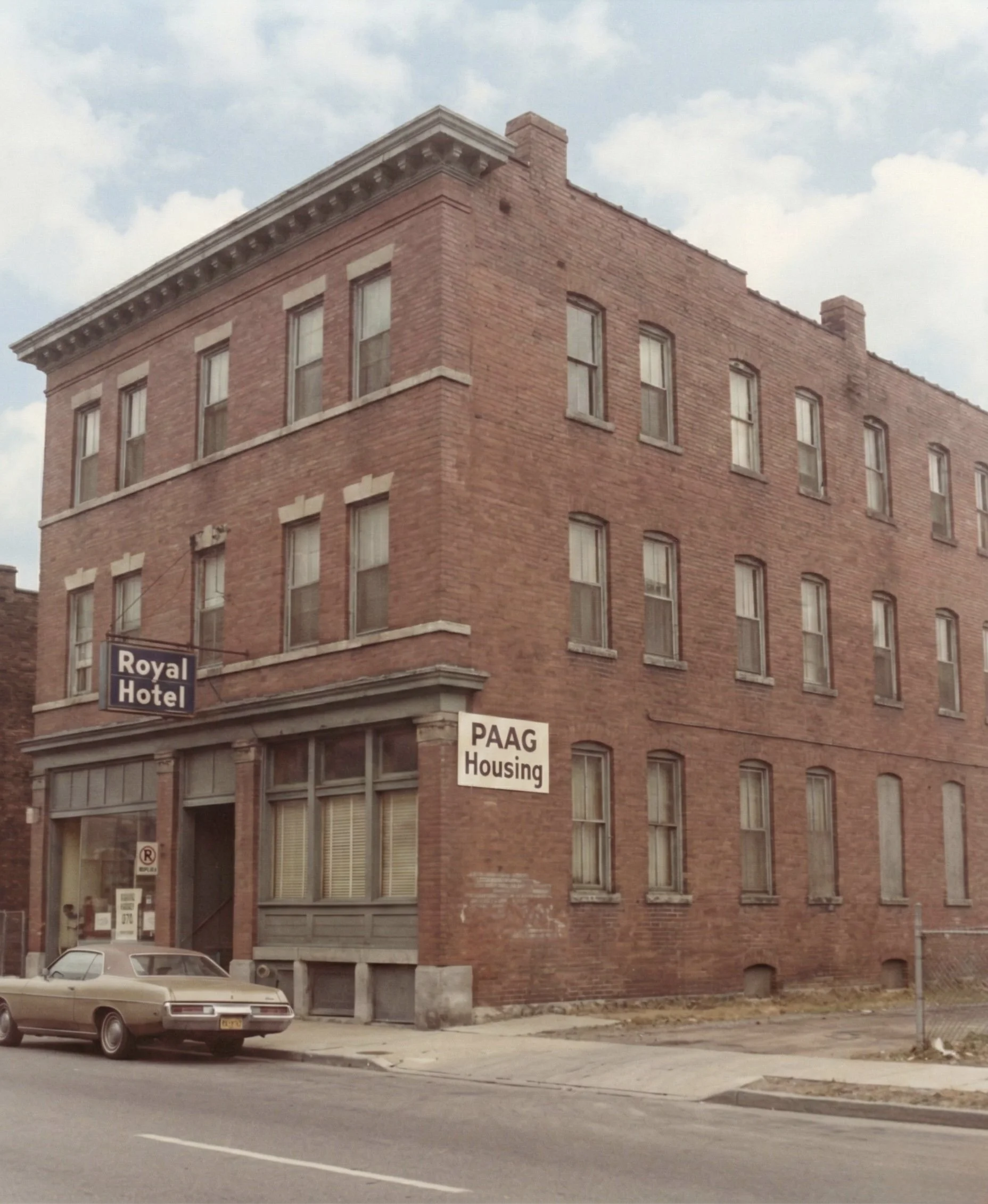
In 1976, PAAG purchased the Royal Hotel, a hundred-year-old building at 2522 Wall Avenue in Ogden. Originally catering to Union Pacific railroad porters and waiters, the hotel was renovated by PAAG to meet seismic standards in 1994 through a partnership involving the Olene Walker Housing Loan Fund (OWHLF) and First Security Bank. An outside steel fire escape was also erected at the time of purchase to address safety concerns.
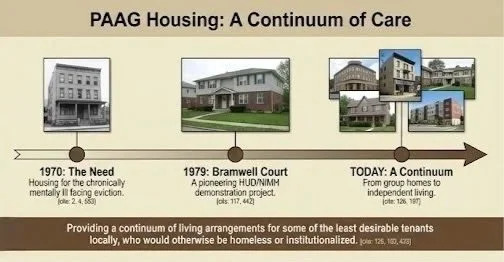
A significant milestone in PAAG's housing history was the development of the Bramwell Court project. Conceived and funded as a joint venture between HUD and NIMH in the mid-to-late 1970s, Bramwell Court was one of a couple of dozen demonstration projects in the country established to provide housing for chronically mentally ill individuals. The project, which began taking tenants in 1979, consists of nine brick duplexes located on Gramercy Avenue and Bramwell Court Street. Tenants for Bramwell Court were chosen conjointly by PAAG and clinical staff from the mental health center, based on their ability to handle more independent living than a group home or the State Hospital.
Over time, PAAG's housing portfolio grew to include a continuum of living arrangements, from group homes and the Royal Hotel to more independent apartments like those at Bramwell Court and Pelton Place. Pelton Place is a complex of eighteen apartments and a three-bedroom house located on 22nd Street. PAAG also owns several other properties, including the Stamey duplexes, the Women's Group Home (Triplex), the Men's Group Home, the Men's Annex, and a former motel at 949 Washington Boulevard.

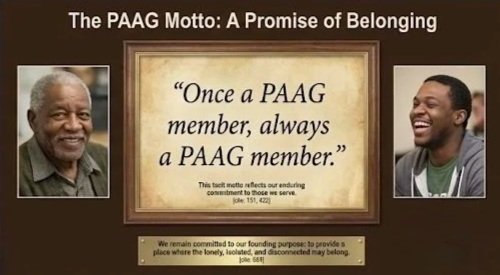
““PAAG was never meant to be temporary. It was built to last and for the people who needed stability when nothing else was stable.””
More than fifty years of dealing with persistently mentally ill clients has taught PAAG and WHS that isolation almost invariably results in increased mental symptomology and decreased social functioning.



What We Do
Housing, Healing & “Herns”
Providing a Home PAAG’s housing program began at the request of Weber Mental Health Center to meet a critical need for understanding landlords for the chronically mentally ill, who were frequently evicted from other rentals.
Today, PAAG is a primary housing resource for Weber Human Services clients, providing a continuum of living arrangements from group homes to independent apartments. Our properties include historic buildings like the Royal Hotel, a former railroad hotel renovated to meet seismic standards, and the Bramwell Court complex, which was part of a pioneering HUD/NIMH demonstration project in the 1970s. We are unique in that we provide housing for some of the "least desirable tenants locally," many of whom would otherwise be homeless, in jail, or hospitalized.
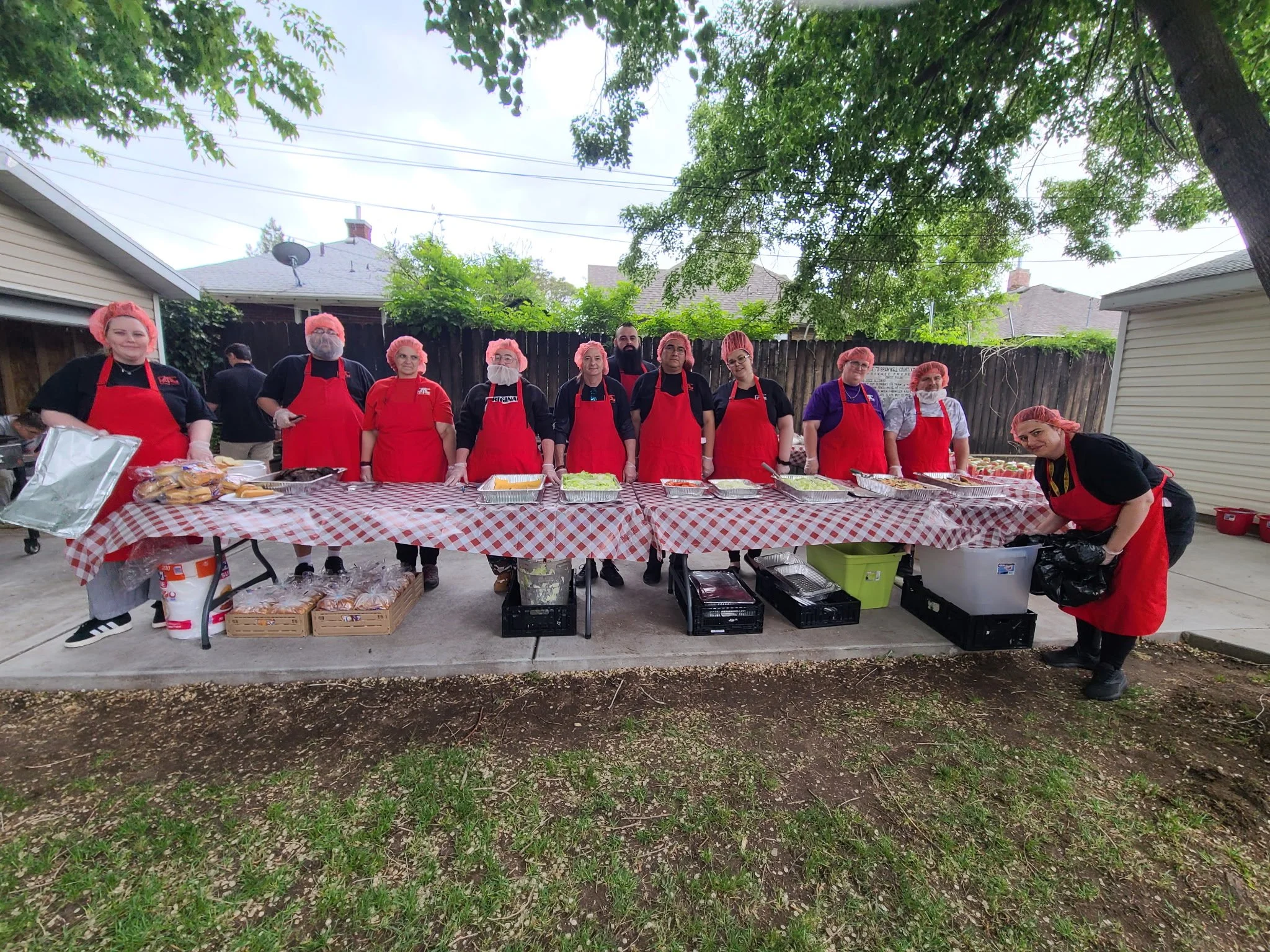
Socialization & Work Approximation More than just a landlord, PAAG provides a web of support services. Our Drop-in-Center is a hub for socialization, offering meals, games, and a place to build "people skills".
A cornerstone of our program is "work approximation," where participants earn access to the center and meals by performing chores. They are compensated with behavioral tokens called "Herns". This system, first instituted over forty years ago, allows members to purchase personal hygiene items, cleaning supplies, and even food orders from our Trading Post and partners like the LDS Bishop's Storehouse. Earning Herns enhances a member's feeling of ownership in the program.

PAAG FAQ’s
-
Problems. Anonymous. Action. Group. P.A.A.G is the name of our organization, rooted in our history and identity. While the acronym has historical significance, what matters most is our commitment to peer support and community-based mental health services.
-
PAAG is distinguished by our consumer-driven governance model. Our Board of Directors is composed entirely of consumers, ensuring that those with lived experience make the decisions. This peer-led approach means our programs are truly responsive to the needs of those we serve.
-
As a 501(c)(3) nonprofit organization, PAAG is funded through a combination of grants, partnerships with organizations like Weber Mental Health Center, donations, and community support. We maintain our independence while collaborating with mental health services in our area.
-
There are many ways to get involved! You can participate in our programs, volunteer your time, serve on committees, or support our mission through donations. We welcome anyone who shares our commitment to peer support and community-based mental health care. Visit our Contact page to learn more.
-
The PAAG creed, penned in 1971 at our incorporation, outlines our foundational values and mission. It reflects our commitment to consumer-driven support, community alternatives to institutional care, and the belief that peer relationships are essential to recovery and wellness.
The Continued Commitment
Throughout our history, PAAG has faced significant challenges, from drastic funding cuts that forced major downsizing to the constant battle of maintaining aging properties. Yet, through the resilience of our members and the support of our community and legislature, we continue to survive and serve. We remain committed to our founding purpose: to provide a place where the lonely, isolated, and disconnected may belong.
Contact us
Interested in working together? Fill out some info and we will be in touch shortly. We can’t wait to hear from you!
Honoring our Past, Building Our Future
A look at where we’ve been, the challenges we’ve faced, and the mission that continues to guide us forward.